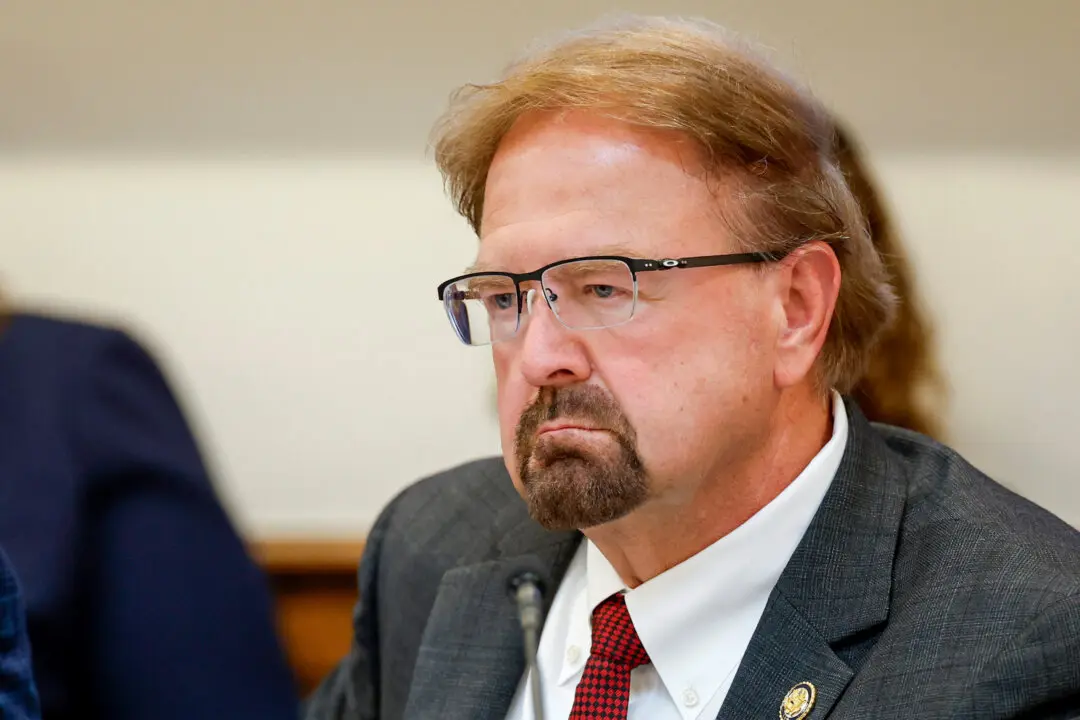
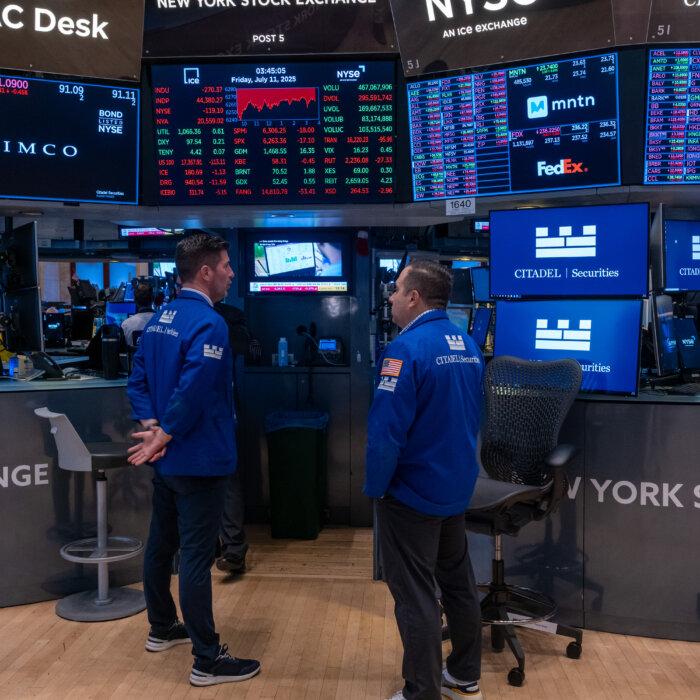
WASHINGTON—A House committee advanced a bill on Jan. 14 that would ban future stock trading by members of Congress—with the support of House GOP leadership.
The tally in the House Administration Committee was 7–4.
“The American people deserve to know their Member of Congress is not profiting off insider information. The Stop Insider Trading Act ensures that cannot happen,” Steil said.
“This legislation is critical to restoring the public’s trust in their elected officials. If you want to trade stocks, go to Wall Street, not Capitol Hill.”
The bill has the support of House Speaker Mike Johnson (R-La.).

“Both Republicans and Democrats will have an opportunity to make their voices heard and affirm their support.”
House Majority Leader Steve Scalise (R-La.) told the outlet he looks to get the bill on the House floor as soon as it passes committee.
It would also require the House Ethics Committee to “issue a fee equal to $2,000 or 10 percent of the value of the covered investment for violations of the law, whichever is greater, and the net gain realized from the sale.”
Democrats say the bill, which also applies to spouses and dependents of congressional members, is insufficient.
“Members can still act on legislation, investigations, and briefings that directly influence the value of their stocks for personal benefit.”
There are similar bills that have been introduced to ban congressional stock trading, such as one by Magaziner and Rep. Chip Roy (R-Texas). It has failed to gain momentum and support of House GOP leadership.
Rep. Anna Paulina Luna (R-Fla.) has put forth a discharge petition to ban stock trading.
However, it has the support of just 77 members—well behind the 218 signatures needed to force a House floor vote.
Roy and Luna support Steil’s bill.
“The people should be able to trust the motives of their representatives in Congress—yet active stock trading that enriches certain members has broken that trust,” Roy told The Wall Street Journal.
“This bill is a collaborative product that takes a giant step forward to restore trust by ending stock purchases and forging presale disclosure.”